10 Creative Ways to Upcycle Your Old Chairs
Upcycling old chairs can be a fun and creative way to breathe new life into your home decor while also reducing waste. From colorful paint jobs to unique upholstery, the possibilities are endless. Here are 10 creative ways to upcycle your old chairs:
- Garden Planters: Transform old chairs into charming garden planters by removing the seat and adding pots or soil directly into the frame.
- Artistic Shelving: Remove the seat and place it against a wall to create a unique shelf for books or decorative items.
- Pet Bed: Repurpose a sturdy chair into a cozy bed for your furry friend by adding soft cushions.
- Fun Kids' Furniture: Customize the chair's paint and upholstery to make it appealing for children, creating a fun little reading nook.
- Hanging Chair: For the adventurous, consider converting your chair into a swinging seat by securely suspending it from a sturdy ceiling beam.
Continuing with our exploration of 10 creative ways to upcycle your old chairs, there are even more innovative ideas to inspire you:
- Art Display: Turn the backrest of a chair into a canvas for your artwork or hang photos and artwork to create a gallery effect.
- Coat Rack: Attach hooks to the back of the chair and use it as a whimsical coat rack in your entryway.
- Side Table: Repurpose the chair into a rustic side table by adding a round or square top on the seat.
- Ottoman: With a little padding and upholstery, you can create a stylish ottoman from the seat of your old chair.
- Statement Piece: A bold paint color or new fabric can turn a simple chair into a stunning statement piece that enhances any room.
The Art of Furniture Restoration: Tips and Techniques
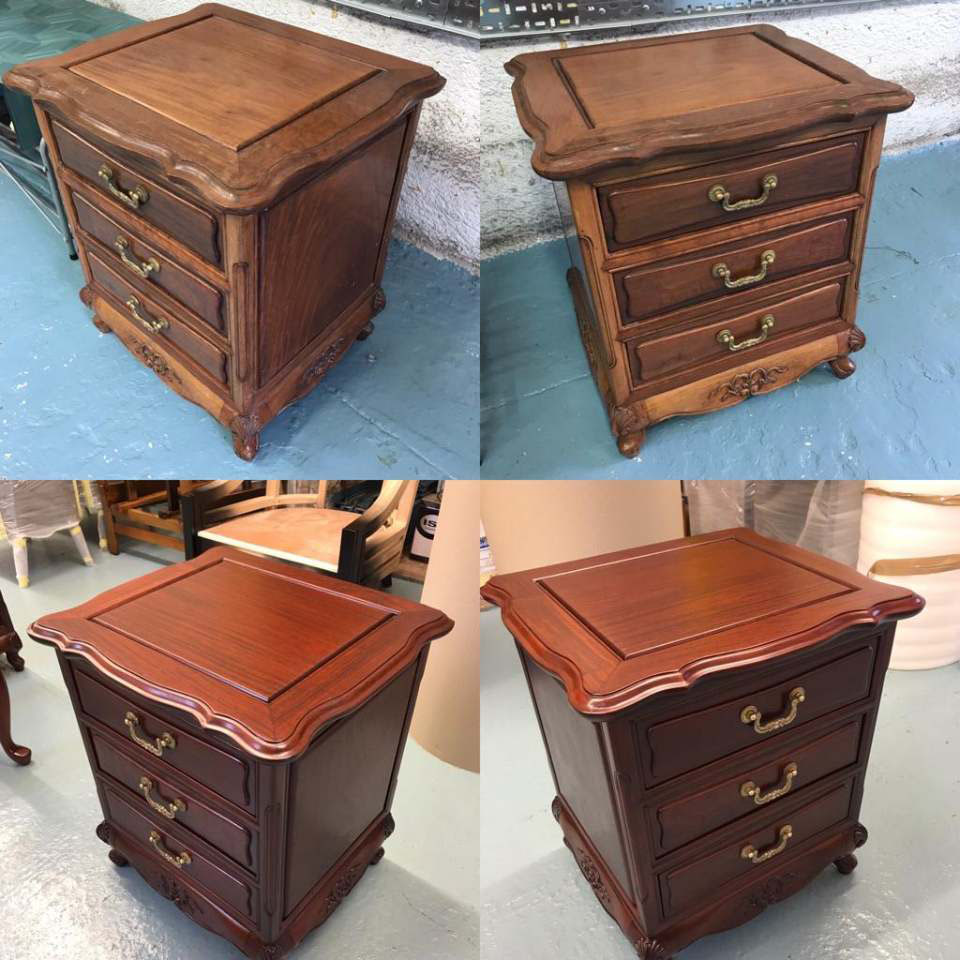
The Art of Furniture Restoration involves reviving old pieces to their former glory, merging creativity with skilled techniques. Whether you’re a seasoned craftsman or a novice, understanding the fundamentals is key. Start by assessing the piece: identify the type of wood, the joinery used, and any previous repairs. This will help you choose appropriate materials and methods. Here are some essential tips for a successful restoration:
- Clean the surface thoroughly, removing dirt and grime.
- Repair any structural damage using glue or clamps.
- Sand down imperfections progressively, starting with coarse and finishing with fine grit.
- Choose the right finish – oil, varnish, or wax – based on the wood type.
Techniques in furniture restoration can vary greatly depending on the desired outcome and the specific piece. For a professional-looking finish, consider stripping old paint or stain carefully to reveal the wood underneath. Additionally, using quality brushes or rags for applying finishes will significantly enhance the texture and sheen of the piece. Remember, patience is crucial – allow each layer to dry completely before proceeding. In summary, with the right knowledge and techniques, anyone can turn worn furniture into stunning centerpieces that tell a story of their own.
Why You Should Cherish Your Vintage Furniture: A Guide to Sustainable Living
Cherishing your vintage furniture is not just about preserving aesthetics; it's a conscious decision that contributes to a more sustainable lifestyle. Vintage pieces are often crafted from high-quality materials, built to last for generations, unlike many mass-produced items today. By opting for vintage, you reduce the environmental impact associated with manufacturing new furniture and the resources required for those processes. Embracing vintage furniture means celebrating craftsmanship and history, adding character to your home while participating in a more sustainable consumer cycle.
Moreover, investing in vintage furniture can serve as a smart financial decision. As demand for sustainable living practices increases, the market for vintage pieces continues to grow. Not only does this mean you are supporting a sustainable lifestyle, but your unique collection can potentially appreciate in value over time. Additionally, incorporating these distinct pieces can help you create a personalized and unique living space, allowing you to express your individuality while promoting sustainability. In conclusion, cherishing vintage furniture aligns perfectly with the principles of sustainable living, making it a worthwhile endeavor for both your home and the planet.