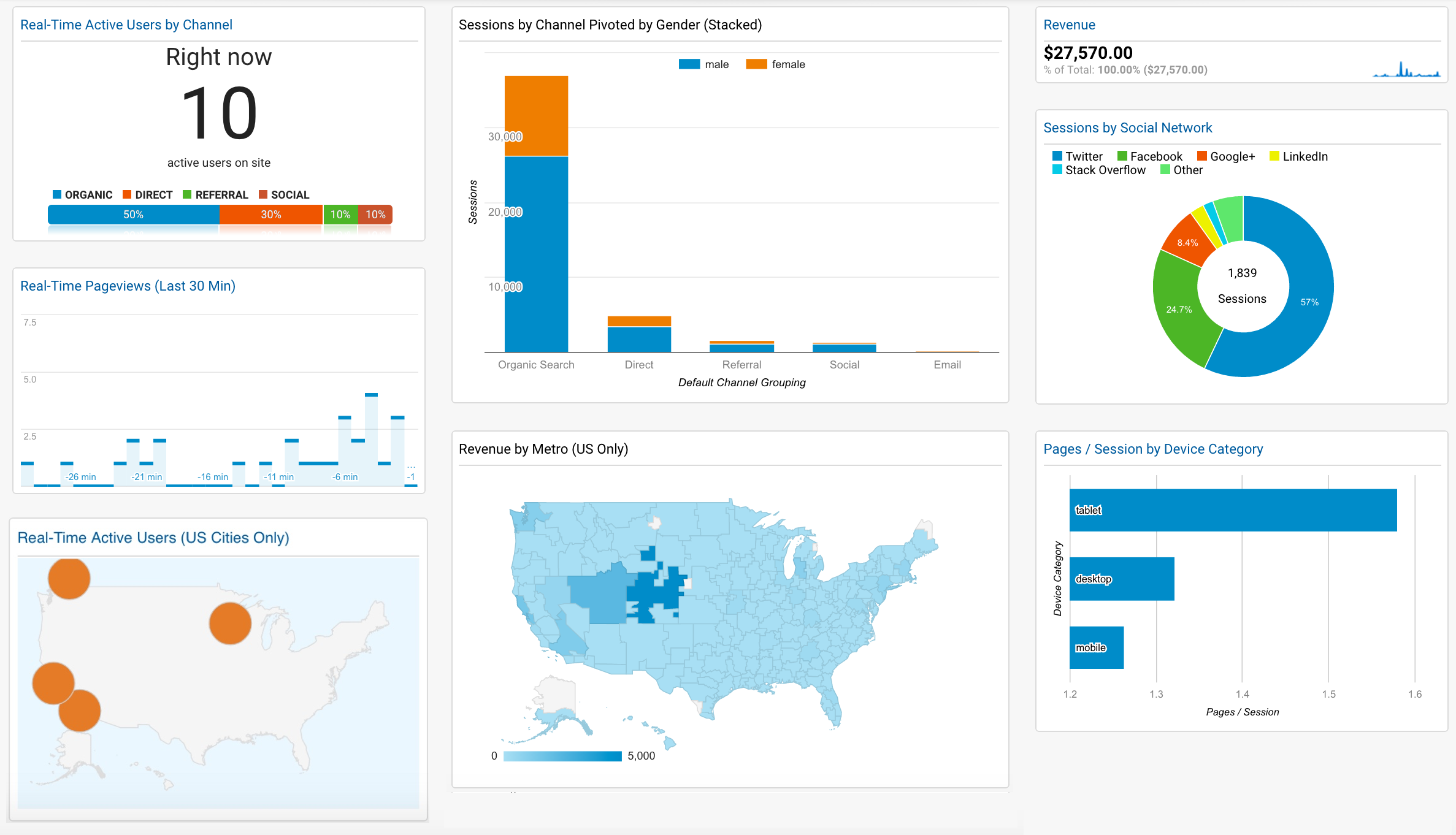
Understanding Google Analytics: The Key Metrics You Need to Track
Understanding Google Analytics is essential for any website owner or digital marketer looking to improve their online presence. This powerful tool provides in-depth insights into user behavior, traffic sources, and content performance. To effectively utilize Google Analytics, you need to focus on several key metrics. Here are some of the most important ones:
- Sessions: The total number of visits to your site.
- Bounce Rate: The percentage of visitors who leave your site after viewing only one page.
- Conversion Rate: The percentage of users who complete a desired action, such as signing up for a newsletter or making a purchase.
Another critical aspect of Google Analytics is understanding user demographics and behavior. Analyzing metrics such as demographic data helps you identify your audience's characteristics, enabling you to tailor your content and marketing strategies effectively. Additionally, examining traffic sources allows you to see where your visitors are coming from—whether it's organic search, social media, or referral traffic. Keeping track of these metrics can significantly enhance your website's performance and drive more targeted traffic, ultimately leading to higher conversions.
How to Turn Raw Data into Actionable Insights with Google Analytics
Turning raw data into actionable insights is essential for businesses looking to optimize their online presence. With Google Analytics, you can transform vast amounts of data into clear and understandable information. Start by setting up your Google Analytics account, ensuring that you set up goals to track specific actions, such as purchases or sign-ups. Use the dashboard to monitor key metrics like traffic sources, user engagement, and bounce rates, allowing you to identify trends and opportunities for improvement.
Once you have a handle on the basics, delve deeper into your Google Analytics reports to uncover valuable insights. Utilize the Audience and Acquisition reports to understand who your visitors are and how they find your site. Implement segmentation to analyze specific subsets of your audience, enabling you to tailor your marketing efforts more effectively. By continually reviewing and adjusting your strategies based on these actionable insights, you can enhance user experience and drive better business outcomes.
Are You Making the Most of Google Analytics? Common Pitfalls to Avoid
Google Analytics is an invaluable tool for understanding your website's performance, but many users fall into common pitfalls that can obscure the data they need. One major mistake is not setting up goals properly. Without clearly defined goals, such as tracking conversions or user engagement, you may be gathering data that doesn't align with your business objectives. Additionally, failing to segment your audience can result in a one-size-fits-all analysis that overlooks the unique behaviors of different user groups. To ensure you’re making the most of Google Analytics, it's essential to define actionable goals and utilize audience segmentation effectively.
Another common pitfall is neglecting the importance of regular data reviews. Many users set up their Google Analytics account and rarely log in to check the metrics, which can lead to missed opportunities for optimization. It's crucial to develop a routine for analyzing your data so you can stay informed about user trends and website performance. Furthermore, not utilizing the various reporting features, such as custom dashboards or automated reports, can limit your insights. By regularly engaging with the data and leveraging all that Google Analytics offers, you'll be better equipped to make informed decisions that positively impact your site’s success.