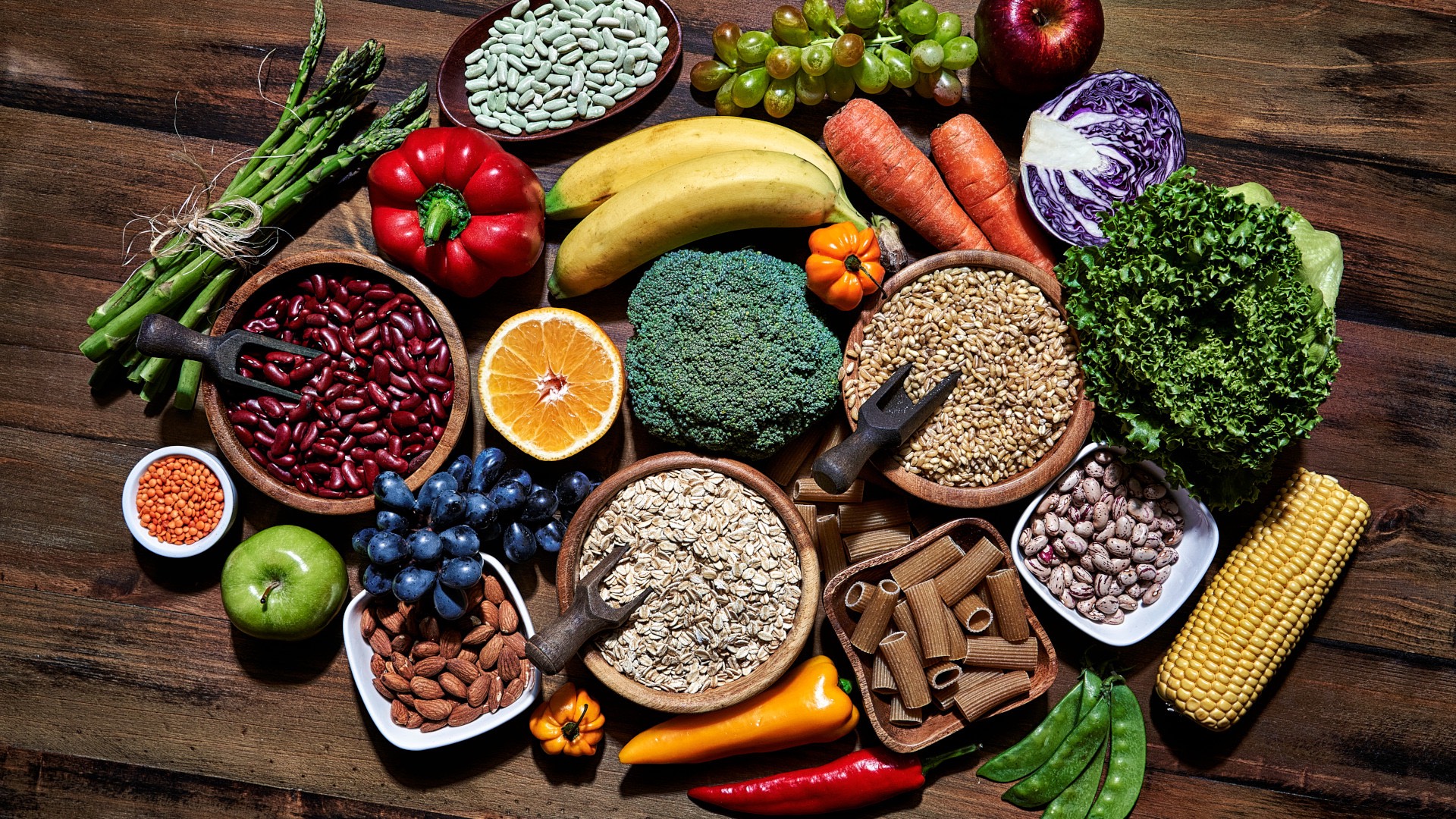
10 Easy Plant-Based Recipes for Beginners
If you're new to the world of plant-based cooking, starting with simple and delicious recipes can make all the difference. Here are 10 easy plant-based recipes for beginners that are not only nutritious but also quick to prepare, ensuring you spend more time enjoying your meals rather than slaving in the kitchen. These recipes utilize wholesome ingredients that are easily accessible, helping you embrace a healthier lifestyle without the hassle.
- Vegan Stir-Fry: Toss your favorite vegetables with tofu and a splash of soy sauce for a quick and colorful dish.
- Chickpea Salad: Mix canned chickpeas with diced cucumbers, tomatoes, and a simple lemon dressing for a refreshing meal.
- Smoothie Bowls: Blend your choice of fruits with spinach or kale, top with nuts and seeds for a satisfying breakfast.
- Lentil Soup: Cook lentils with garlic, onions, and diced carrots for a hearty soup that's perfect for any day.
- Quinoa Tabbouleh: Combine quinoa, parsley, and tomatoes with olive oil and lemon juice for a protein-packed side dish.
- Stuffed Peppers: Fill bell peppers with a mixture of brown rice, beans, and spices, then bake until tender.
- Overnight Oats: Soak rolled oats in almond milk overnight and top with fruits and nuts in the morning.
- Veggie Tacos: Fill corn tortillas with black beans, avocado, and salsa for a quick and flavorful lunch.
- Spaghetti Aglio e Olio: Cook spaghetti and toss it with sautéed garlic, olive oil, and chili flakes for an easy dinner.
- Peanut Butter Banana Toast: Spread peanut butter on whole-grain bread and top with sliced bananas for a quick snack.
The Nutritional Benefits of Going Plant-Based
Adopting a plant-based diet can lead to numerous nutritional benefits, offering essential vitamins and minerals that are often overlooked in traditional diets. Foods such as fruits, vegetables, legumes, nuts, and whole grains are rich in antioxidants, fiber, and phytochemicals, which help combat chronic diseases. For instance, the high fiber content in plant-based foods not only aids in digestion but also helps maintain a healthy weight by promoting feelings of fullness.
Moreover, a plant-based diet can significantly reduce the risk of heart disease due to its low saturated fat content. Research shows that individuals who primarily consume plant foods often experience lower cholesterol levels, leading to improved heart health. Additionally, the inclusion of a variety of plant-based ingredients ensures a comprehensive intake of nutrients, making it easier to meet daily requirements for vitamins like Vitamin C and minerals such as iron and calcium.
How to Transition to a Plant-Based Lifestyle: Tips and Tricks
Transitioning to a plant-based lifestyle can feel overwhelming, but with the right approach, it can be an enjoyable journey. Start by gradually incorporating more fruits and vegetables into your meals. Consider setting a goal to consume at least five servings of produce each day. You can also experiment with meat substitutes, such as beans, lentils, and tofu, which can add variety and protein to your diet. Additionally, explore whole grains like quinoa, brown rice, and oats, as they provide essential nutrients and keeping you full longer.
Planning your meals in advance is one of the most effective tips for a successful transition. Create a weekly menu that incorporates diverse plant-based recipes to keep things interesting. You might also find it helpful to stock your pantry with plant-based staples such as nuts, seeds, and legumes. Lastly, don't hesitate to join local or online communities that focus on plant-based eating; sharing your experiences and learning from others can provide motivation and support throughout your transition.